
Thinning Hair After 50: Here’s What Really Helps
Hair loss has a way of shaking a woman’s confidence long before she’s ready to admit it. At first, you tell yourself it’s nothing. Then one morning, your part looks a little wider or your hair feels a little lighter, and suddenly it’s not so easy to brush off.
My own journey started back in 2016 after a thyroid medication misstep, and the fallout, literally and figuratively, lasted far longer than I expected. I’ve had shedding phases, stretches of regrowth, and plenty of quiet frustration. Things didn’t begin to improve in a meaningful way until a couple of years ago, which is when I finally started getting answers and saw real progress.

Because hair loss is both confusing and emotional, I met with a trichologist, checked in with my dermatologist and primary doctor, and sifted through the research to separate what truly matters from the noise. Here’s what I learned, and what helps many women over 50 regain some control and confidence.
Common Causes of Thinning Hair In Women
Hormonal Changes
Menopause shifts the hormones that keep hair in a growth phase longer. Lower estrogen and progesterone can mean slower growth and more shedding. Because of my mom’s history of breast cancer, hormone therapy wasn’t an option for me, so I needed other approaches.
Nutritional Deficiencies
Low iron, low protein, and gaps in key nutrients can show up quickly in fine hair. My iron levels were borderline low, so I now supplement under my dermatologist’s guidance. A simple blood panel can give valuable clues.
Stress
Stress can push more hairs than usual into a resting phase, which is why the shedding often shows up a few months later. The important thing to know is that telogen effluvium is temporary. Once the stress eases, those hairs gradually grow back.
Genetics
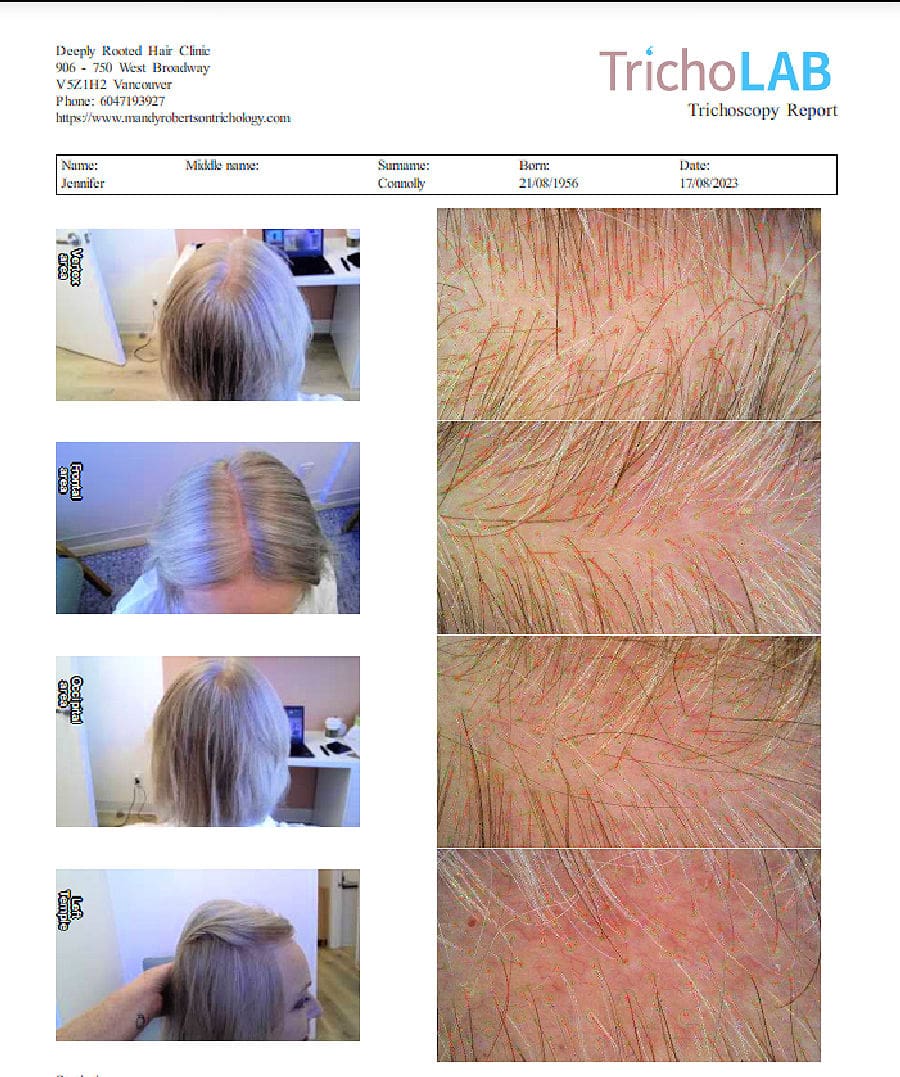
Some of us are simply wired for thinning hair. My trichoscopy showed early miniaturization, which is typical of androgenetic alopecia. If your mother, grandmother, or siblings experienced thinning hair, this might be part of your story too.
Medical Conditions
Thyroid disease, autoimmune issues, iron deficiency, and inflammatory scalp conditions can all contribute. My thyroid history is definitely part of my own pattern.
Effective Hair Loss Treatments For Women
Women often feel overwhelmed by the options, but most of the real progress tends to come from a combination of treatments rather than a single miracle solution.
Topical Minoxidil
Topical minoxidil remains one of the most studied and effective treatments for female-pattern thinning. It helps extend the growth phase of the hair cycle, which can slow shedding and encourage regrowth. It does require consistency, and stopping it usually reverses the progress you’ve made. Many women start here because it’s accessible and backed by good data. My doctor had me using this 5% men’s liquid, which never left my hair greasy.
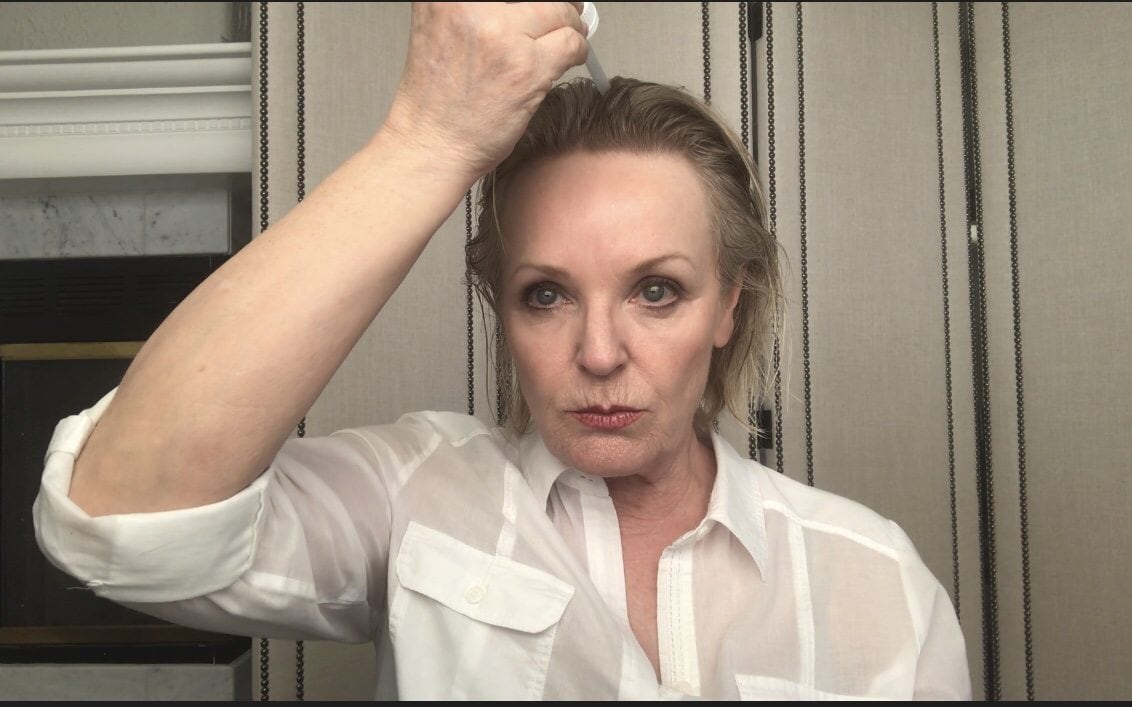
Click here to watch a video showing how I apply my minoxidil.
Ketoconizol Shampoo
Ketoconazole shampoos, like Nizoral, help reduce scalp inflammation and address yeast overgrowth that can contribute to shedding. Even the 1 percent over-the-counter version can be helpful.
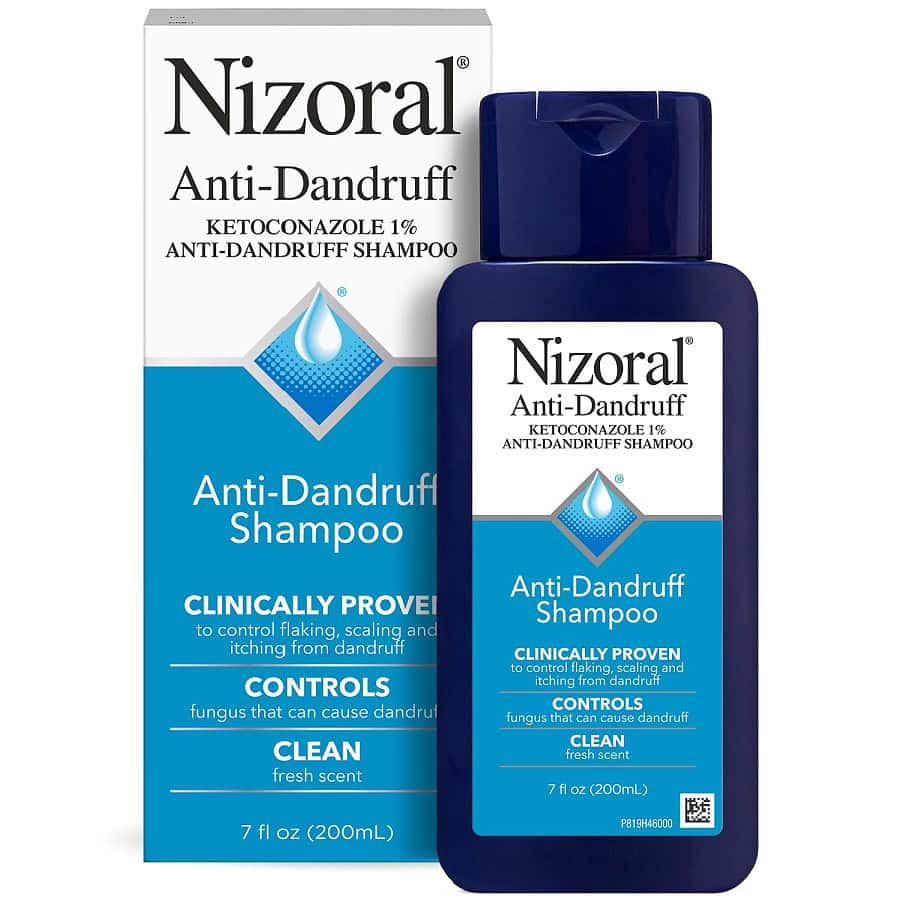
I use this twice weekly to keep inflammation in check and support a healthier scalp environment.
Low-Level Laser Therapy
Laser caps and combs are another option some women explore. They use low-level light to support circulation and encourage follicle activity. The results vary, but the research is promising enough that many dermatologists and trichologists recommend them as a supportive tool alongside other treatments.
Spironolactone (Prescription)
Spironolactone is sometimes used off-label to treat female-pattern hair loss because it helps block the androgen activity that contributes to follicle miniaturization. It’s a prescription medication and requires monitoring, but it can be an effective part of a broader treatment plan.
Finasteride (Prescription)
Finasteride is sometimes used off-label for women, though it’s not as widely recommended due to limited long-term data in female patients. Some doctors find it helpful in certain cases. Because of my family history of breast cancer, it wasn’t appropriate for me, but it may be an option for others under careful medical supervision.
Low Dose Oral Minoxidil (Prescription)
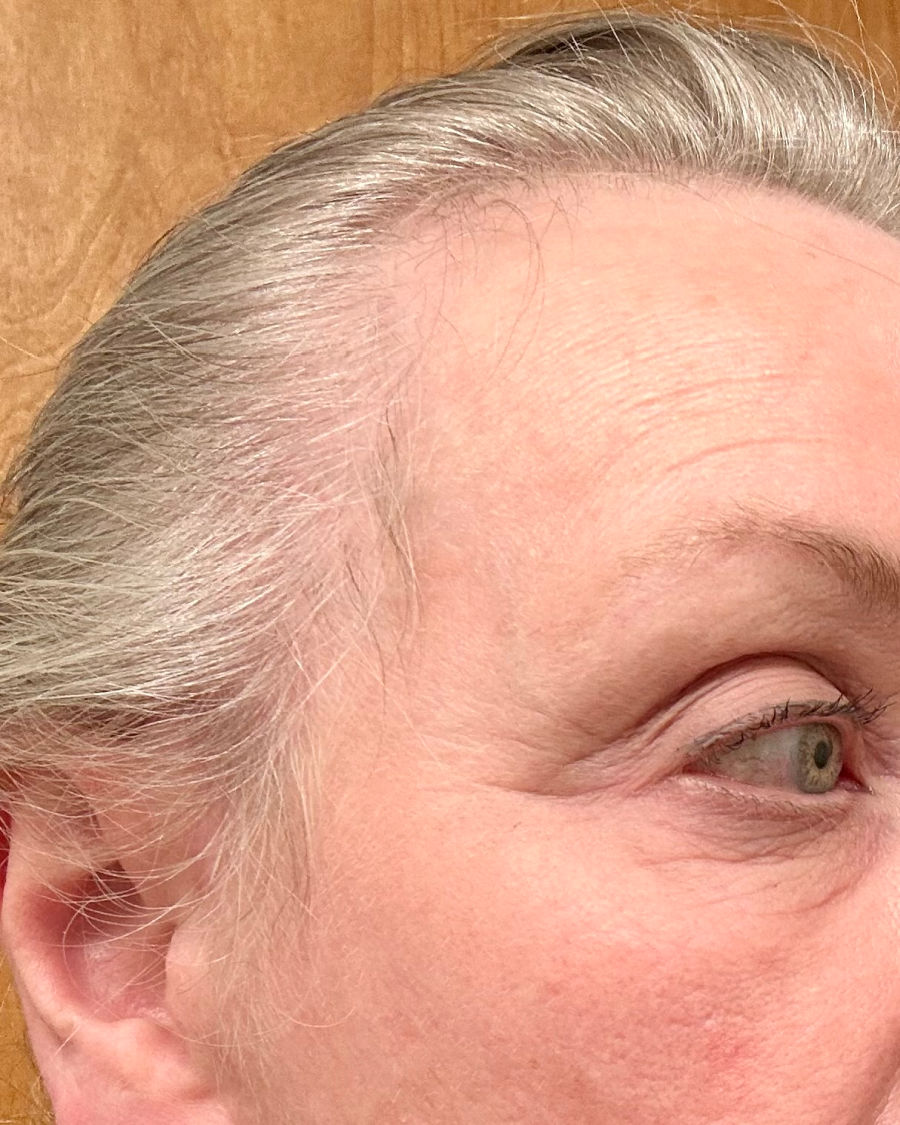
Low-dose oral minoxidil has become increasingly common for treating female-pattern hair loss. Originally developed for blood pressure, a much lower dose can support hair growth, reduce shedding, and help thicken existing strands. It’s gaining popularity because many women tolerate it better than the topical form, but it does require a prescription and follow-up appointments.
Lifestyle and Supportive Approaches
These options won’t reverse genetic hair loss on their own, but they help create a healthier environment for growth and support the treatments above.
Scalp Massage
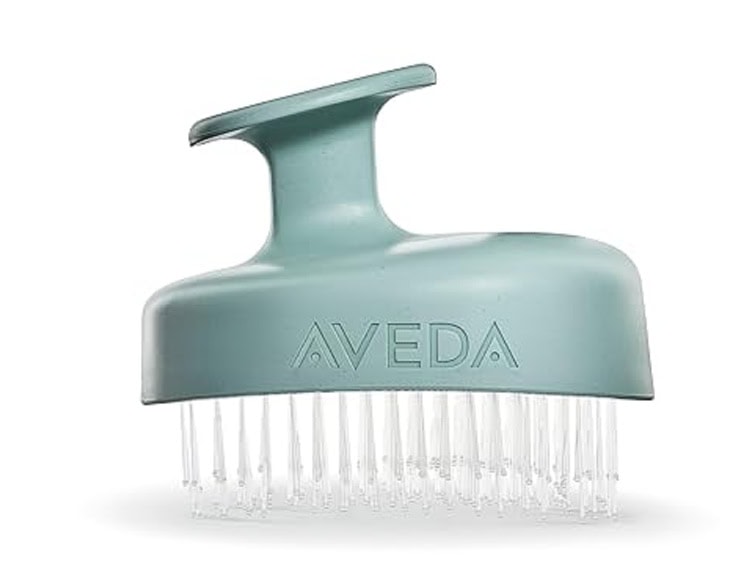
Regular, gentle scalp massage can help improve circulation and support fuller-feeling hair. You can use your fingers or a scalp-massaging tool like this one; both work perfectly well.
Saw Palmetto and Pumpkin Seed Oil
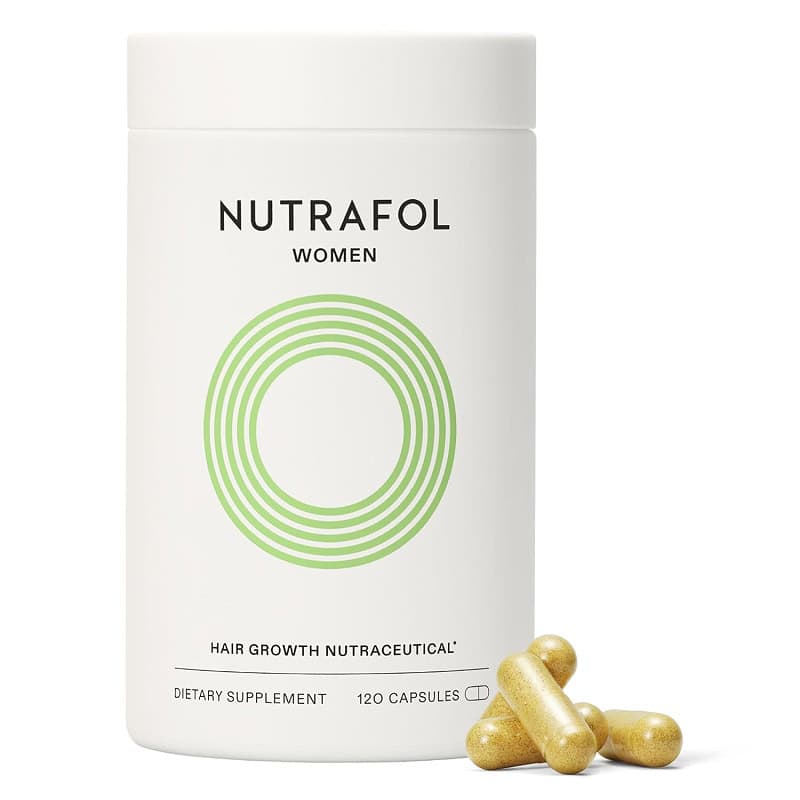
My trichologist recommended 320 mg of saw palmetto and 400 mg of pumpkin seed oil daily. Both have mild anti-androgenic and anti-inflammatory properties. For some women, these supplements fit well into a broader plan for thinning hair. This Nutrafol contains those and many more helpful ingredients. I’ve gone back to taking it.
Gentle Styling Choices
Being gentle with your hair becomes more important as it thins. Using a wide-tooth comb on damp hair, avoiding unnecessary pulling, and limiting heat can all help reduce breakage and support healthier growth over time.
Why I Finally Saw A Tricologist
After years of feeling like I was guessing, I reached a point where I needed clearer answers. That’s when I decided to see a trichologist. They are specialists who focus specifically on hair and scalp health.
A trichologist doesn’t replace a dermatologist, but they do spend more time examining the patterns of hair loss, the condition of the scalp, and the health of individual follicles. It’s a more detailed, hands-on look at what’s actually happening.
During my appointment, she:
- examined my scalp under magnification
- photographed several areas with a high-powered camera
- analyzed follicle density and growth patterns
- looked for signs of inflammation or miniaturization
When the images came back, they explained exactly why my thinning felt so inconsistent:
Female Pattern Baldness
There were miniaturized hairs and fewer hairs per follicular unit, which are classic signs of androgenetic alopecia. The positive part was that the follicles were still alive, just weakened. That meant treatment could help.
Telogen Effluvian
There were also signs of stress-related shedding, which explained the sudden, dramatic fallout I’d experienced. When she explained that telogen effluvium is temporary, I felt relieved to know they would grow back as the stress eased.
Mild Seboreic Dermatitis
There was mild scalp inflammation, which can contribute to shedding. This is where ketoconazole shampoo became useful.
Seeing everything mapped out so clearly finally gave me a sense of direction. Instead of trying random solutions, I could choose treatments that matched the actual issues.
What I’m Doing Now (My personal treatment plan)
After finally knowing what I was dealing with, my routine became much more targeted. Here’s what has made a meaningful difference for me:
- Low-dose oral minoxidil
- Spironolactone
- Nizoral twice weekly
- Iron, vitamin D, and other supplements based on labs
- Higher protein meals
- Gentle styling and handling
- Paying closer attention to stress…because it matters
It looks like a long list on paper, but it feels surprisingly manageable day to day, and the progress has been steady. In fact, it feels like a miracle to me.
Thinning hair brings up more emotion than most of us expect, but it gets easier when you have real information and a plan that makes sense for your life. If you’re navigating your own version of this, you’re not alone. We’re all learning as we go.
How are you feeling about your hair these days?
This post was originally posted in 2022, so I’ve updated it with new information and to share what I am doing now to treat it.
Hi Jennifer, first of all, your hair is beautiful, the most gorgeous color. I absolutely understand the emotional toll that thinning hair can take on a woman’s self-esteem. I am 72, and have always had fine, thin, poker straight hair. From the time I was 2, my mother and grandmother put my hair in rollers that I had to sleep with. I had thinning spots all over my head where the rollers would rub. When I was 17 I switched to a curling iron – less painful, but just as damaging. The success or failure of any given event, my wedding, my grad, special occasions, were determined by what my hair looked like on that day and always added extra stress to my life. I curled my hair every single day for 20 minutes a day for 52 years, and it always seemed to look bad anyway. That’s a lot of time wasted! About a year ago, I just stopped fighting the texture of my hair and stopped curling it. Yes, it is wispy, flyaway, thinning, and still poker straight. But I no longer worry about what rain, humidity, or fog will do to it. It was totally liberating. My friends say I look younger. I have had an excellent hair stylist who has been with me since 1983. We have grown old together, and he knows my hair better than anyone. I keep it highlighted (I’m still blonde) because the coloring adds some body, and I keep it well trimmed. Good luck with your treatment, but please know that your hair looks a lot better than you think it does – we are always the hardest on ourselves,
Deborah B
Thanks so much, Deborah
Love your blog, you encourage us more than you know… I am a young age 81, still adventurous, etc. but noticed about two years ago a scary thinning of my once very thick hair. One more sign of my age I thought. I decided on Nutrafol & didn’t know if I wanted, or could afford, extensive treatments, etc. After six months I almost gave up, but thought I’d give it another 1-2 months to be sure it wasn’t working. Wow, at seven months I began noticing a serious change & even my dermatologist said I had a “nice head of hair” without my saying a word! It has now been eight months on Nutrafol & I’m still happy with my hair & not afraid of what it looks like in the back of my head!
That’s fabulous Betty!
I am on my second round of Alopecia Areata and sorely depressed!! I do see a hair specialist, but it seems that I just keep getting move bald spots!!
Alopecia Areata is very tough. I highly recommend you get a hair topper. They work great and are not hot.
Hello Jennifer, Do you shop at Costco? They sell Kirkland’s minoxidil both foam and liquid, for about 1/2 the cost of Rogaine. I have had good luck with it, and the savings might be helpful. Thank you for sharing your journey with this issue.
Thank you for such a wonderful post….I now don’t feel so alone with my hair loss that started with menopause…and I am now almost 73. I have tried so many over the counter “cures” with usually no improvement. I was on Nutrafol for 2 1/2 years, but stopped for a few months as I thought my shedding was suddenly worse. I am now back on it for the past month and will continue. My dermatologist prescribed oral minoxidil 1.25 as a starting point. I was very excited to try it until I started reading comments about user’s side effects….most especially the “dread shed” and excessive facial and body hair. So I haven’t started yet. Have you experienced any side effects with the oral minoxidil? I also tried the topical, and it just wasn’t for me. I also have tried a product from Bondi Boost called Lock Drops. It’s supposed to slow down shedding, and after a few months, I have really noticed a difference with much less shed. I’m hoping that continues. Thank you again for all the good information and now I might bite the bullet and start the oral minoxidil.
That’s a nice low dose and the same I started with and have stayed with because it works. I had no dreaded shed. I’d try it. You may be delightfully surprised. The spironolactone is supposed to help control excess hair.
So interesting Jennifer? How does one find a certified trichologist? And does insurance cover? I have a patch of thinning with pink scalp on one side of my head. Have an appointment with a dermatologist I made months ago—for early January.
I’m sure you could google for one in Your area. Just go to your dermatologist armed with questions and ideas you’d like to try.
This is very helpful! Thank you. I want to add that your eyebrows look really good. I a struggling with how to handle the thinning out of my eyebrow “tails.” They sort of disappeared! I see so many brow enhancements that look really good, (tattoo?) but i am very hesitant to go to that extreme. Any suggestions? Or maybe you have posted something on this.
I use Nutrabrow. I’m not a fan of the tatoo for me…yet
Thank you for addressing the emotional aspect of thinning hair. I loved all your options and research on what to do that might help. I’ve tried most everything including a hair transplant! My complicated medical situation makes it difficult. I think it’s harder for women to accept going bald. For myself, the journey is over and I have had to accept that I will have to wear a wig. If you get a high quality hair piece most people don’t know. The positive side is I save a lot of time on styling!
Thank you for all the helpful information. Do you use or would you recommend any products that camouflage thinning hair such as Toppik or a powder like Madison Reed?
Yes. I did use the Madison Reed on my hairline when it was very very thin.
I, too, struggle with hair loss. I’ve been using Minoxidil 5% liquid ( not foam!) for some years. I order it from Costco and it’s dirt cheap. It has really, really made a difference. The new growth is definitely noticeable. You have to use it daily and does require a commitment. But…. about two months ago I started shedding and I mean shedding. It freaked me out! Have no idea why because nothing had changed in my life. Handful would come out when I gently combed out my wet hair. I’d even see strands here and there on the floor. I even skipped going to the salon. I think the shedding has pretty much stopped. Well, at least noticeable shedding. Again, I have no idea why.
I’m going to try your two supplements. I do take D3 already. Tried Nutrafol back when it first came out. The pills are huge and that’s a no go for me. Plus sooo pricey.
Question. …..do you get any hair growth on your face from the oral Minoxidil? I have enough of that issue already. HA
Love being part of your community. Your blog is excellent on so many levels! Blessings to you!
I’m so glad you’re a member of our community too Ann! Have a great weekend
Very informative post. Thanks for sharing your research and personal journey. I agree that change with our hair are very upsetting . Finding a solution is difficult. Your information will be so helpful to so many. I had hair loss due side effects from medication . It took a year for the hair loss and other things to resolve. I’m fine now, thankfully.
Wishing you and all your readers a happy Thanksgiving.
Happy Thanksgiving Nancy!
Hi Jennifer – I love how open you are with all of us about your journey (as well as your wonderful sense of style). I see other commenters have mentioned collagen. I’ve been using a multi-type powder for over a year. It’s helped my hair, skin and nails. I have Osteopenia, so am also curious to see how it has helped my bones when I get a density test next year.
I’m fortunate to still have thick hair in my seventies. I know your pain secondhand through friends that are suffering through thinning hair. I’ll be sure to pass this post onto them. It is full of information that may be of help to them.
I battled breast cancer a number of years ago. I lost my hair in the process, and it never returned to the way it was before the fight. As the years go on (I’m 67), I notice even more thinning. I most recently tried Maelove scalp serum. I’ve used it for about 3 months now and have not seen any improvement. I may try Nutrafol next.
I am glad that you are seeing results. As an aside, I’d like to suggest reading “Estrogen Matters” by Avrum Bluming M.D. and Carol Tavris, PhD. Their book, now in its 2nd edition, was eye opening for me. It convinced me that I truly needed to go back on HRT after experiencing 5+ years of horrendous rebound hot flushes. Dr. Bluming is an oncologist who specializes in breast cancer. His book dispels the misinformation surrounding HRT and breast cancer and so many other myths. Having a family member who had breast cancer does not necessarily contraindicate HRT for oneself. I truly consider the book must reading for any woman over the age of 40. Since my last period in 2008, I have suffered a long laundry list of menopausal symptoms. I was misdiagnosed with fibromyalgia, put on an anti-depressant, sent to a cardiologist, who gave me a clean bill of health, then finally saw a new GYN who put me on hormone patches from 2012 -2014. In hindsight I realize that my dose was too low. The doctor retired 2 years after I first saw her and my insurance company refused to pay for my patches. I weaned off of them and spent the next 5 years suffering profound insomnia and constant hot flushes both night and day. After reading “Estrogen Matters” in 2019, it confirmed my suspicion that allowing myself to be taken off of estrogen was the worst medical mistake of my life. Unfortunately, it has taken seeing 3 different GYNs to finally get a high enough dose of estrogen to relieve my symptoms. My new GYN, who I saw for the first time this July, just upped my dose for the second time in late October. I now actually sleep through the night most of the time. It has only taken me 4 different GYNs and a whopping 17 years to get appropriate treatment!
Thank you for sharing! .I had breast cancer and chemo where I lost everything. And when it grew back it was thinner and a patchy in places. Was it caused by the chemo or old age and stress who knows? I tried the liquid Minoxidil but what a mess. Nutrafol might have worked but my stomach revolted and I could not keep it down. Then I read your blog that there was a pill form of minoxidil. I went right to my dermatologist and as you say it was a game changer. Is my hair luxuriously thick ,,,no but the bald patches are lightly covered. I no longer feel I need to ask my husband to check that the bald patch in back is covered. LOL I will add the shampoo to my regimen and discuss Spirnolactone with my dermatologist to see if it is appropriate for me. Thank you so much for sharing your journey
I’m so happy it’s helping you Cristi!
Thank you for all the information. I’m 66, had shedding after each pregnancy (3), and things were fine. Recently asked my hair stylist for a certain cut with fringy bangs. She gently told me it wouldn’t work because of the “bare space”. Yup, hairline moving backward again! I’m also on a medication that hair loss is a side effect. Errrrrr. Going to try your tips.
Trying to age gracefully without looking like Kojak!😉
LOL, I remember Kojak. That cracked me up.
This is really good information. I started losing because of needing a hysterectomy. They put me on meds that really caused hair loss. After the surgery it came back but not completely. I do use minoxidil and actually take Spironolactone for high blood pressure. After losing all my hair from chemo I thought that was it for my hair but it came in pretty thick on top. But I have to keep it short. That’s ok I’m fine with that. I always think your hair looks beautiful ❤️
I deal with anxiety. It comes and goes and I’m currently in a “rough patch”. Do you take an SSRI ?… or not due to other meds or other side effects. Thank you
I do not take an SSRI, they had nasty side effects for me.
Thank you Jennifer, great info. You have coped and covered your hair loss very well. At last my hair is behaving, wore it in a pony for years, now back to a Bob, thinking the pulling back was not helpful with hair in the shower etc.
Great practical advice am keeping!
Wow! This has been eye opening for me. Jennifer – Thank you so much for this very important info. I thought I was alone on my journey. I suffer with autoimmune issues (alopecia arreata and Sjögren’s syndrome) which flared up after an extremely stressful situation. I had numerous bald patches and thinning hair and worked with my dermo. We did the shots to my scalp which helped, the shampoo and other topicals. This is a different topic, as a result of the autoimmune, my fingernails have lifted, but have not fallen off. It’s been two years and I have tried so many things with no success. Dermo and rheumatologist have no more ideas….very frustrating.
I’m sorry you’re dealing with that! My husband has alopecia as well. They tried the shots but nothing helped for him and he lost all of his hair.
I too shy away from embellished clothes but bought the black sweater with pearls at Chico! I think it’s a little blingy without being over the top. I can’t wait to wear it.
Have you ever thought about using a hair topper? I’ve seen some that clip into the top of the hair and others that use a headband type approach. I have thinning hair too and have thought about trying one but haven’t taken that step yet. I’d love to see a post about them though.
I will look into them. I’m very intrigued.
Thank you for this updated post. It’s been hard to see my hair thinning so much the past couple of years. How does one go about finding a tricologist? Is this something Medicare and/or supplemental insurance pays for? Do you need a referral for that? Thank you again for writing about something that is indeed difficult and confidence draining.
I would start with a dermatologist. Medicare does cover that.
Thank you!
This hair information has been very helpful. I am 83 and my hair is definitely falling out. Ever since my husband died 4 years ago, I feel stress everyday. Also my last blood work showed I am borderline anemic and have a low iron count. Based on what you shared, I must address these issues. My diet is poor because it is no fun cooking for one. I will try to find a Trichologist. Thank you, thank you, thank you!
I’m so sorry to hear about your husband Daneen. Sending best wishes your way.
I have hair loss too. Was offered minoxidil pills but decided to take nutrafol. I take 2 vs 4 pills a day. Less money and less stomach irritation .
Even with hashimotos and low thyroid autoimmune condition. I’m thrilled ..
I did stop it for a few months and my stress and hair loss returned. Now my hair is fuller , wavier and glossy. I feel you get and more confident too
Thanks for sharing your hair journey
I have been experiencing hair loss for years. The dermatologist recommended both ketakonizole (sp) shampoo (prescription) and Nutrafol but with no explanation. After reading this, I’m encouraged to use them so thanks.
I have the same hair issue as you ladies. My hair is very thin on top. I’ve worked with a dermatologist for years without great success. I decide on a topper this past summer and it has been a game changer. There are no more medicines, solutions or special shampoos I have to use. These toppers are human hair. They can be custom dyed to match your hair color. They come in different lengths and styles. It is an investment piece but I have spent more on hair products and medicines that did not work. These toppers blend with your hair and add fullness and volume. I am very pleased with mine. If your hair loss treatments are not working, I suggest you give this a try. Good luck!
Thank you Betty! I’ve been meaning to look into one because even with my success, the front of my hair is thinner than I like.
Hi Jennifer,
So many times, you and I are on exactly the same wavelength! I am looking for pull-on jeans, you write an article. I am looking for comfy walking shoes, you write an article. Now, I am experiencing and researching hair loss, you write an article!
I am very alarmed at the shedding I am seeing. I think it may be partially due to lack of protein, but your recommendation to see a dermatologist/ trichologist has me mulling that over now too. I am going to consider low dose Minoxidil along with the other supplements you are on.
Thank you, Jennifer—I feel like we are good friends after all these years!
You can ask your primary care Dr too. Keep asking until you get the right answers Kay. Be vigilant. Hang in there friend!
OK, not funny I too have started wearing bangs. Loss of hair and thinning hair is scary.
It’s so hard. Talk to your dermatologist about things you can try
Thanks for all the updates.
I have been having PRP treatments for almost 18months and for me it has been amazing. Expensive , but once you go to every 6 months for a treatment it is manageable.
I take collagen as well.
I’m so glad it’s helping.
Jennifer, something else you might want to look into is hyperbaric oxygen therapy. The increase in oxygen yields a broad variety of positive effects. Some of it’s benefits include reduces inflammation, stimulates the formation of new blood vessels, accelerates healing, reduces stress and anxiety, among many others. I have done it many times for issues different than yours. It may or may not help hair loss but it might be worth looking into.
That sounds amazing Mary. Where would I get that? I’d love to try it.
Hi Jennifer, what specialist did you go to in the Bay Area to determine what type of hair loss you have?
I saw a Trichologist in Vancouver, Canada but their are many to source with a google search.
I was first attracted to your blog because our hair style is very similar. I am very fortunate not to have scalp problems, but do have a receding hairline which is genetic and also avoid windy days for photos. 🙂 What has helped me the most is an excellent hairstylist and a good cut with feathered bangs. She foils my hair about every 9 months with light blond that is easing me into gray. The color also adds much needed body to my fine, straight hair.
I’d like to know more about toppers. Do you wear one? Where is the best place to buy these? I have a large head size and when I tried a wig for fun as a teenager it wasn’t comfortable to wear for a long period. I’m thinking 60 years later they may be much improved. 🙂
I don’t wear a topper but if I was going to wear one, I’d go to a wig store and get one made from human hair and get it dyed to match my color.
Hi, Jennifer –
I have been dealing with thinning hair since before menopause. My derm then told me then that there is so much research being done on this that a breakthrough is expected any minute — and that was more than 20 years ago! A more recent derm who is a hair specialist recommended “men’s” 5% minoxidil which I have used off and on. I used it consistently for the 6-8 weeks she recommended. At the follow up appointment, she said it was working for me. However, I find it makes my hair “crunchy” when I prefer to have zero product on my hair. Therefore, I am inconsistent. I wash my hair 2x per week with a purple shampoo. I think since I have more silver the scalp is not as noticeable. I consulted with another doctor re PCP, and he said it doesn’t work for everyone and was not encouraging. He recommended red light treatment, which I have not tried.
I wanted to let you know that the BEST PRICE I’ve found for men’s 5% minoxidil is Costco! You can get six of the 2 ounce bottles for $17.99! It is not always that low, but it is currently, and will be again. It’s also on their website.
I take collagen, biotin, vitamin D, etc., but I’m not sure that has done anything for me. I will try the saw palmetto and pumpkin seed oil!
Thanks for your honesty and research.
Thank you for sharing Julie! I know consistency is critical for it to work and you must maintain it.
I was diagnosed with the same thing as you, Jennifer, and my dr recommended the oral minoxidil at a very low dose (1/4 tablet to start), along with the Nizoral shampoo and also Clobetasol shampoo or solution as an anti-inflammatory agent, plus the red light cap for 10 minutes each day. I began to see significant results after about six months. After a year, the bald areas at my temples had completely filled in and the hair over my whole head was very full. I did notice that I had a few stray hairs growing out of my ears, but I was able to take care of those with some Nair! 🙂 Hooray!!
Thank you so much for sharing this Pat! I will look into these and ask my Dr.
Hi Jennifer, I have struggled right along with you. In 2021 I lost 65 pounds and a lot of hair. My primary doctor assured me it was the sudden weight loss TE and would grown back. It did not and I saw a dermatologist. She suggested Nutrafol and tested my ferritin (which is normal) and also told me it would grow back in a few months. I used Nutrafol for four months with absolutely no change except maybe more hair loss. I eat a healthy diet of whole foods, exercise, take a few supplements, etc. but continue to lose hair. I purchased a wig but haven’t worn it yet because even after having it thinned and styled, still looks foreign to me. I was told I don’t have enough hair to fasten a topper to. I’m 70 and have always had very fine, straight hair that I never appreciated. I miss my lovely hair now!
Congrats on the weight loss, but the hair loss is so painful, I’m sorry! Have you tried topical Minoxidil? I’m surpised your dermatologist didn’t mention it or the low dose oral option. I think you need to try a new deramatologist.
Thank you so much for sharing your journey and all this information! You are brave and a great example to all of us. I love the community and all the comments. Thank you!!!!
I love this community too!
Thank you for this very informative post. I also have thyroid “issues” and use a combination of Head and Shoulders, Selsun Blue and a prescription shampoo to keep the itchy scalp at bay. Though I certainly don’t have as much hair as I once did, I still seem to have enough and know I am lucky. Still, I am going to try the shampoo you recommend.
I have frontal fibrosing alopecia, and have found that low dose oral minoxidil is more effective, for me, than the (men’s) topical was, although that helped a little. My hairline is now stable, yay! I even had some regrowth.
I also found that switching to sulfate-free, fragrance-free shampoo made a huge difference in scalp condition. I’m now using Vanicream shampoo and conditioner, which is the most boring ever 🤣 but scalp irritation is gone.
I’ve used and love the Vanicream face cream but didn’t know they made shampoo and conditioner! Thanks for telling me.
Jennifer,
WOW! So much information. Thanks so much for sharing this with us. You’re so brave to share your own struggle and then give all of us pertinent information that we can use.
You’re the BEST!
Mary Shaw
I’m glad this was helpful Mary
Jennifer,
I am always interested in your posts about your hair loss routine. My mother and grandmother both had female pattern hair loss and sadly I have inherited it as well. I started using Rogaine in my 30’s in the hopes of preserving my hair. I think it has helped. A couple of years ago I bought the Hairmax headband, a red light device. I use it 2-3 times a week. It only takes a couple of minutes. I never mentioned this to my hairdresser but after about 6 months of using it, he noticed my hair was thicker on top. I have started taking collagen peptides but can’t really notice any difference. It is so helpful to hear what others have used that has helped them.
The hair at my temples has been receding so when I read your earlier post about Nizoral I decided to try that. I have had issues with dermatitis and itching before and think shampoos are helpful. I’ve been putting the shampoo on those places before I step into the shower and letting it sit on my skin a few minutes. If you put it on and then get your hair wet the solution has less chance to soak into the layers of skin on your scalp and work it’s magic.
I have gray hair so it’s hard to tell about the regrowth but I think that it is helping.
When I colored my hair I didn’t wash it a lot b/c it faded the color, but I think that can encourage these scalp conditions and it is a good idea to wash your hair 2-3 times a week, and to stay off of the dry shampoos.
That’s a great tip. Thanks Rose
Great info! I was diagnosed with androgenetic alopecia several years ago. I took spironolactone for over a year and finally stopped after I felt like my shedding was actually getting worse. I also purchased the $600 light cap my dermatologist recommended. Not sure it’s helped either (I do admit I forget to use it religiously.)
Be careful with too much collagen as it can cause kidney stones. It’s just like everything I try…it can make something else worse. Female hair loss is the absolute worse and people who don’t experience it have no idea how all consuming it can be, not to mention soul crushing!
It is soul crushing, I agree. Do you think the spironolactone made it worse? What does did they try you on?
Excellent blog. Thanks so much for sharing.
Thank you Jennifer for all of this information. I live a quiet retired life but still seem to be a high stress person. I use a silicone massager every time I shampoo. This seems to help control my itchy oily scalp. My hair is very fine, wavy and a little whiter than yours. It seems to be getting straighter. My hair thinning is on my crown plus I have a natural swirl there which really separates my hair style at the crown. My mother had it too. I don’t currently take anything as my loss seems to be pattern genetic hair loss. I’m 79 and didn’t know I could do anything about it. I will try the saw palmetto and the pumpkin seed oil capsules. I don’t seem to lose much hair in the shower unless I’ve been ill with a fever. My mother had a small natural hair piece for her crown that looked like her hair. I was thinking of doing that for social gatherings.
Those toppers look very natural.
I love your blog and am so grateful that you address issues that affect older women. I would like to mention my one year+ experience with a combination of low dose (1.25 mg) oral minoxidil and spironolactone (50 mg) that I first read about in a New York Times article in August 2022:
An Old Medicine Remedies Hair Loss for Pennies a Day, Doctors Say – The New York Times (nytimes.com).
It has really transformed my hair from being see-through to normal. You need a doctor’s prescription for these medicines, and your blood pressure must be normal, but it has really made a huge difference to my hair. I had to show the article to my dermatologist because she had not heard about the off-label use of low dose minoxidil; she was familiar with spironolactone. Not much money to be made from an old pharmaceutical (oral minoxidil) so there almost certainly won’t be any sort of drug trials, but the NY Times article cites a dermatologist from Johns Hopkins among others who have been successfully using low dose oral minoxidil to treat hair loss. As usual, the comments section of the article were also very interesting.
I just found and read that article myself! I’m going to show it to my doctor to ask if it could work for me.
Looks like we are quite a crowd. Nice to know I am not alone. I tried taking Nutrafol but it really started to severely upset my stomach. I couldn’t keep it down. Keep us posted on the light cap. My hubby has a very important job now making sure my “bald” in back spot is covered. I check to make sure his is covered too. He has more hair and no grey but he’s started to thin. I like company;0) Thank you for all the great information.
Hi Jennifer,
Thank you so much for this post. I have very fine grey hair at 60 and l went to see a dermatologist who recommended hair follicle surgery which was completely out of my budget and also a heated cap which again seemed so expensive. I had breast cancer in the past and l don’t know if the chemo did some damage but it is definitely getting thinner as the years go by. I do find collagen helps and l will try your supplements. I love this community where we can all talk honestly and openly about such subjects, thank you !
I love this community too. I’d try a different dermatologist and go armed with some suggestions.
Thank you so much for always being a “real” person showing exactly how you look and telling exactly how you feel about body issues. I wish more women were as brave as you. You are a help to all of us!
Nan Sullivan
Well said Nancy! I so agree. Thank you Jennifer ! This issue is a hurtful one to deal with!! I am using micro Minoxidil and Finestride drops on my hair every night which has helped along with Nutrafol and Omega 3’s supplements.
Thanks for sharing what’s working for you. I love that we can all learn from each other.
My thoughts exactly Nancy.
Jennifer- thanks for covering so many topics and the willingness to research and share.
Would it be possible for you to list what less expensive supplements your doctor recommended as an alternative to Nutrafol?
They are listed here-
My trichologist recommends that in addition to your regular supplements, you can consider taking 320 mg of saw palmetto a day along with 400 mg of pumpkin seed oil per day. Saw palmetto and PSO have mild anti-androgenic effects, and PSO has anti-inflammatory effects. She also recommends taking a vitamin D supplement of 1,000 – 2,000 IU) daily.
I did after multiple surgeries. I had very low Ferritin level, which measures how much iron your body has stores.
Took iron which over time worked. I just saw that Rogaine can be very helpful but can take up to a year. I am checking out your hairdryer!
I so feel your pain. I have lichen planus which causes frontal hair loss on the top of my head. It gets a bit worse every year. I do use minoxidil, exactly the way you do. Sad to say that everything I have tried, as suggested by different dermatologists, has not helped. I use the shampoo you do and mainly pray for the wind not to blow hard. I have tried many of the products you have. I just have not had success. My dermatologist is wonderful, supportive and willing to try new things, but also acknowledges with my diagnosis, there isn’t a lot to be done, little chance of regrowth. I wear more caps and scarfs and have a wig purchased and on stand by! My mom had the same thing. It started after menopause. I realize there could be things a lot worse to deal with, I really do, but this just hurts my soul. My hair was my one good feature. It was so thick I had to have it thinned. It was shiny and just gorgeous. I do style it in a way that hides most of the loss currently, but it gets worse all the time. I do try not to hyper focus on it……..but some days I do. I am 72 and have been dealing with this for 20 years or so. Thank you so much for this great post, it is nice to hear from a kindred spirit!
I’m so sorry Rita! Thank you for sharing with us. I think I’d try a topper before a whole wig. I’ve seen some great looking ones and I think they’re more comfortable to wear.
Jennifer – what is a “topper?”
A topper is a partial hair piece that just clips on top and adds volume to the front.
I feel your pain Rita! I also have lichen planus on my scalp and my body. I have a bald spot on the top of my head that I can sort of hide. I use Nixoral and alternate with a shampoo from my dermatologist. I am just on my last month of a 3 month course of doxycycline that I think has helped with the lichen planus. I take a lot of supplements! It’s nice to hear from someone with this condition and what they are doing. I have looked at wigs but haven’t bought one yet.
I first started struggling with hair loss right around age 40. I was having extremely hard periods and the bleeding just wouldn’t stop so I was given medication that made my hair really fall out. I ended up having a hysterectomy but my hair never fully recovered. I started using Minoxidil scalp therapy and that has helped me keep what I have pretty well. It has really helped my son! Then when I was 62 I was diagnosed with breast cancer and lost all my hair from chemo. It actually came back thicker on top so as long as I keep it short it looks better then ever. I do take all the vitamins for hair too. Thanks for explaining this tough topic and good luck 🤞
Thanks for sharing Rosemary. You’ve had it rough!
I’ve been using Rogaine for Women for 14 years. I think it helps. I have recently added collagen to my supplements which I think has also helped. And of course Biotin.
Keeping Vitamin D levels strong is key.
The hairdryer you are using is expensive and the website requires making some choices which I don’t understand.
Also, does it dry by light or air? More detail Would be appreciated. Thanks
Air comes out of the dryer but it doesn’t dry out your hair the way other ones do. It take longer to get hair dry but leaves it much shinier.
I also struggle with hair loss caused by thyroid disease and over medication of it. I’m currently trying Rogaine and am seeing some results. Look forward to hearing more about the treatments you find to be effective. Thank you for posting on this issue many of us struggle with.
Thank you Jennifer for this comprehensive sharing of hair loss information.
I tried oral finasteride for 6 months and it did nothing for me. My doctor had never prescribed it for females. I continue to use minoxidil and have done so for many years. I have noticed hair shedding in late summer every year and regrowth through March. My sister and I share the same seasonal pattern with shedding. I am trying to stay away from hair drying devices for now. It’s a frustrating issue for sure.
Best wishes with your hair products. I really appreciate your candid review.
It’s interesting that your sister and you share the same seasonal shedding.
Thank you so much for sharing!
Hi Jennifer, I’m 74, 5’, 90 lbs, and started shedding early since I never went on HRT EITHER…same reasons. I take multivitamin, mega 3, biotin, B12, C, and Blackerry oil twice a day. Since adding the blackberry oil 2 years ago, my center hairpart and front hairline have really improved! I can’t believe it, but it’s a slow process and patience is critical. I also de-stressed my life by retiring from a 24/7 nurse paramedic EMS Chief job after 50 years of love/hate slave labor and I now sleep regular hours. Health wise, I have Hashimoto, lots of issues with osteoporosis and arthritis, but I can live if I have hair🤣
You’re an inspiration, and due to your recommendations, I love to dress stylishly and use lovely natural makeup.
Thankyou.
Sandra Winfield
Thank you for sharing Sandra! I’ve never read about Blackberry oil for hair loss. I must check into it. Your job sounds like the ultimate stress situation! Glad you’re making healthy changes. It’s not easy.
I am two plus years into having severe seborrheic dermatitis. I have thick curly hair, but my crown is very thin. I lost hair in clumps. I continue to see my dermatologist. I take oral minoxidil as well as finasteride. It has helped a lot with regrowth and making hair thicker. The minoxidil caused hair growth on my face (ugh) so my dosage was lowered and I got laser treatments for my upper lip area. Since SD is chronic I still lose a fair amount of hair, especially in the colder months. My doc prescribes Zoryve. Foam which helps with the itching and inflammation. If I look at a strand of hair I can literally see when my scalp is healthy(thicker hair) and when I’m experiencing a flare up (hair thin). It truly is a battle and can be disheartening.
I’m so sorry you’re struggling with this. It’s brutal! I’m glad you have a supportive dermatologist.
I’ve been using the 5% Rogaine for years (men’s version) once a day at night. I feel it has helped save some of my hair, although I too have alopecia. I use a steroid cream where those patches are, mostly my forehead. I lost all my hair to chemo twice, and am in remission from cancer so cannot add any other meds to my regime. A wig is not the worst thing in the world, I bought three very attractive ones and wore them all the time for a couple of years. I’d consider a topper if the alopecia gets worse, and right now I have a cute fake bun that works if I pull my hair back and add it in. I have bangs, but have always had them, kind of piecey looking ones that look fine with pulled back hair. It’s a constant worry, we love our hair!
Hello Sandra,
Can I ask you about the Blackberry oil you take? Is it an external application or a liquid/ pill you ingest? How much do you take daily? Is there a brand you can recommend?
I, too, have been diagnosed with Hashimoto’s and my once thick hair is getting thinner and thinner. (I know that my thyroid medication is probably the culprit)
Many thanks for sharing this fascinating information about this oil,
Susan
I would love to know this too Susan
Hello Jennifer,
Thank you for this comprehensive look at hair loss and various treatments. I have struggled with thinning hair and finally got to the bottom of things by visiting a dermatologist. I also have hyperthyroid disease so it’s a double whammy with the disorder as well as medication that can promote hair loss. I was told, after lab tests, that I have female-pattern hair loss and was prescribed low-dose oral minoxidil. I have decided to first try topical 5% minoxidil to avoid adding another pill to my current regimen. The toughest part of all of this is that you must maintain a daily treatment regimen. I should also add that I purchased the Zuvi hair dryer after reading your post and I love it. It was worth the money. Thank you for being real and helping women not only with maintaining their health and beauty but also showing the “downside” of things we also face with aging.
Sincerely,
Karen
The daily use became such a part of my routine that it’s effortless. I’m glad you like your Zuvi!
Hi Jennifer, I’ve been waiting for this report, so thank you for doing it! I do have a question – do you only wash your hair twice a week (thus only using the Nizoral)? Or do you add in more washes with a different shampoo? I currently usually only wash twice a week, mostly because I usually lose more hair with washing and that’s just depressing! I have been using The Ordinary’s hair serum, but with the regular cycles of growth and loss, I never really feel that my hair is getting thicker (I have fine, straight hair). Anyway, thank you again for sharing your results.
I wash every other day now. I’ve decided it’s more important to keep my scalp clean so the follicles aren’t clogged or irritated. I know it seems like you lose more when you shampoo, but I think it may just be more obvious. I brush well before getting in the shower to wash it.
Thank Jennifer!
I especially appreciate your advice for thinning hair as I have the same problem. I have taken Nutrafol for a couple years and am not sure it is helping. I do also like the Vegamour serum. I wondered if your physician thought the vitamin D, pumpkin seed oil and saw palmetto would give you similar results or if there were other suggestions. Hair thinning seems to me to be the most difficult aging problem to address so thank you for all your tips.
The tricologist felt it would give similar results for a lot less money than Nutrafol.
Great post, thank you. I feel less alone in this and I learned a lot.
I’ve always had fine hair but since moving from CA to NJ during the pandemic, I suddenly developed seborrheic dermatitis all over my scalp. It’s horrifying. I’ve been on an immune suppressant medication for years for Crohns and often get mild skin issues, which is common and I can clear them up.
Multiple visits to a dermatologist and biopsies to confirm SD. I am now on a new prescription solution and shampoo to try to clear up the red patches. I’m taking benedryl for the first time in my life. I installed a filter on my shower head because we have very hard water. The dry winter and humid summers make it worse.
But the dermatologist said: do not use any products on my hair or scalp until this clears up. Nothing! Only the prescriptions. Not that I used many before.
I finally started using natural henna every 4 weeks which is messy but actually soothing and at least enhances the color and volume. Without it, I have thin stringy old lady hair. It’s embarrassing.
I eliminated sugar and carbs from my diet because dermatitis is caused by excess yeast. I can’t tell if it’s helping – maybe a little – but it was good to get off sugar anyway.
I bought a few buffs (stretchy bands) that can be worn in different styles on really bad hair days.
I know other women have hair loss issues too. I feel for you sisters!!!
I’m so sorry Marian. Now that you remind me, I had a particularly bad bout of the SD that seemed impossible to get rid of. I’m glad your derm has a plan for you. Hats are also helpful! Thanks for sharing. You are not alone.
Have you tried oral collagen supplements? I’m also on thyroid medication and I have found they help my skin and hair.
I take it every morning.
Oh boy, Jennifer, I suffer with the same issues. I take after my sweet Mother. You could see her scalp in her later years although she went to beauty shop every week of her life since the 1960s! I go through Musely Rx and use topical Minoxidil 8%, Dutasteride .3%, and a few other ingredients along with an oral medication. The topical is very irritating so I’m not consistent with it and the oral makes me retain water! (a known side effect). I also user Irestore Laser cap every other day for 25 minutes. I did one session of PRP with my dermatologist but it was so painful I abandoned that. I have not been diagnosed as you have, and that might be a good idea. At this point, hair transplants sound good! I just do the best I can and envy those with beautiful hair!
I wondered about the prp but frankly it sounds painful so I haven’t gone that route. What form of topical are you using? I had no irritation with the 5% liquid.
Wow. Best article ever. I take spironolactone and it has helped. I also am considering the red light therapy cap. Keep us posted!
I’m considering asking about the spironolactone. Did you experience any side effects?
Jennifer, I take Spironolactone for high blood pressure and have no side effects from it.
Great to know, thank you!
I was on Spironolactone for high blood pressure for a few years but my new GP took me off them as my potassium levels spiked which is a known side effect. Interestingly I have noticed my hair has thinned even more since I stopped taking the medication.
Jennifer you are a wealth of information. My general dr has been zero help for me so I have been thinking about trying a dermatologist for advice. I am also considering a hair topper but would prefer holding off on that option. Your suggestions have most helpful. I hope the efforts you have been taking will reverse the hair loss for you.
Primary’s aren’t usually good at this but dermatologists are. I highly recommend you visit one. Good luck!
Thank you for sharing all of this. My hair has thinned from the thick, robust state I had and took for granted for most of my life. Luckily I started with a good crop of hair – I would joke that there was one good gene in my family and it was my Mom’s hair gene, and I got it. I never used to see my scalp in a part, now I do. I just don’t want it to get worse so I will try some of your recommendations.
BTW your hair always looks great in your photos so you are doing something right!
Also BTW it dawned on me that I had not gotten one of your posts in a while, so I checked, the last post I got was Jan 9. Luckily I checked yesterday and the hair post was your most recent. I will resubscribe but thought I would point this out to you. I look at almost every post you do, and have no idea why I suddenly stopped receiving them. BTW they are not going to my spam folder either.
I had an email issue back on Jan 9 and lots of folks got dropped for some weird reason. I’m glad you’re back! I use a lot of products to add volumne so it looks presentable in photo’s. It’s thinnest around my hairline which is so frustrating.
I feel your anguish here Jennifer. I had a brief episode (?) if hair loss in 2018 after a long long hospitalization for sepsis /kidney stones. Once recovered and the stone was removed I was feeling pretty well then BAM- my hair started to shed terribly. Luckily my dermatologist suggested a capsule made by Spanish pharmaceutical ISDIN and after three months of use all hair shedding stopped. I’m fortunate.
That certainly sounds like stress loss. Glad you found some help!!